
AI content
How to Train a Chatbot on Your Website Content
Train a chatbot on website content using retrieval, not model retraining. Learn source limits, refresh steps, citations, and a repeatable test plan.
10 min read
Field notes
Practical notes on grounded answers, website indexing, and operating AI search in production.
AI content
Train a chatbot on website content using retrieval, not model retraining. Learn source limits, refresh steps, citations, and a repeatable test plan.

AI site search
Learn how to attach AI chat to an existing website search bar, validate the selector, preserve normal results, and test mobile accessibility.

WordPress
Compare a WordPress AI chatbot plugin with an embed script across setup, placement, updates, rollback, caching, testing, and ownership.

Drupal
Map Drupal Search API, chunking, embeddings, vector databases, LLMs, citations and access controls—then decide what to build or manage.

Search analytics
Use internal site search query logs to separate missing content from wording and findability issues, choose the smallest fix, and retest it.
RAG content
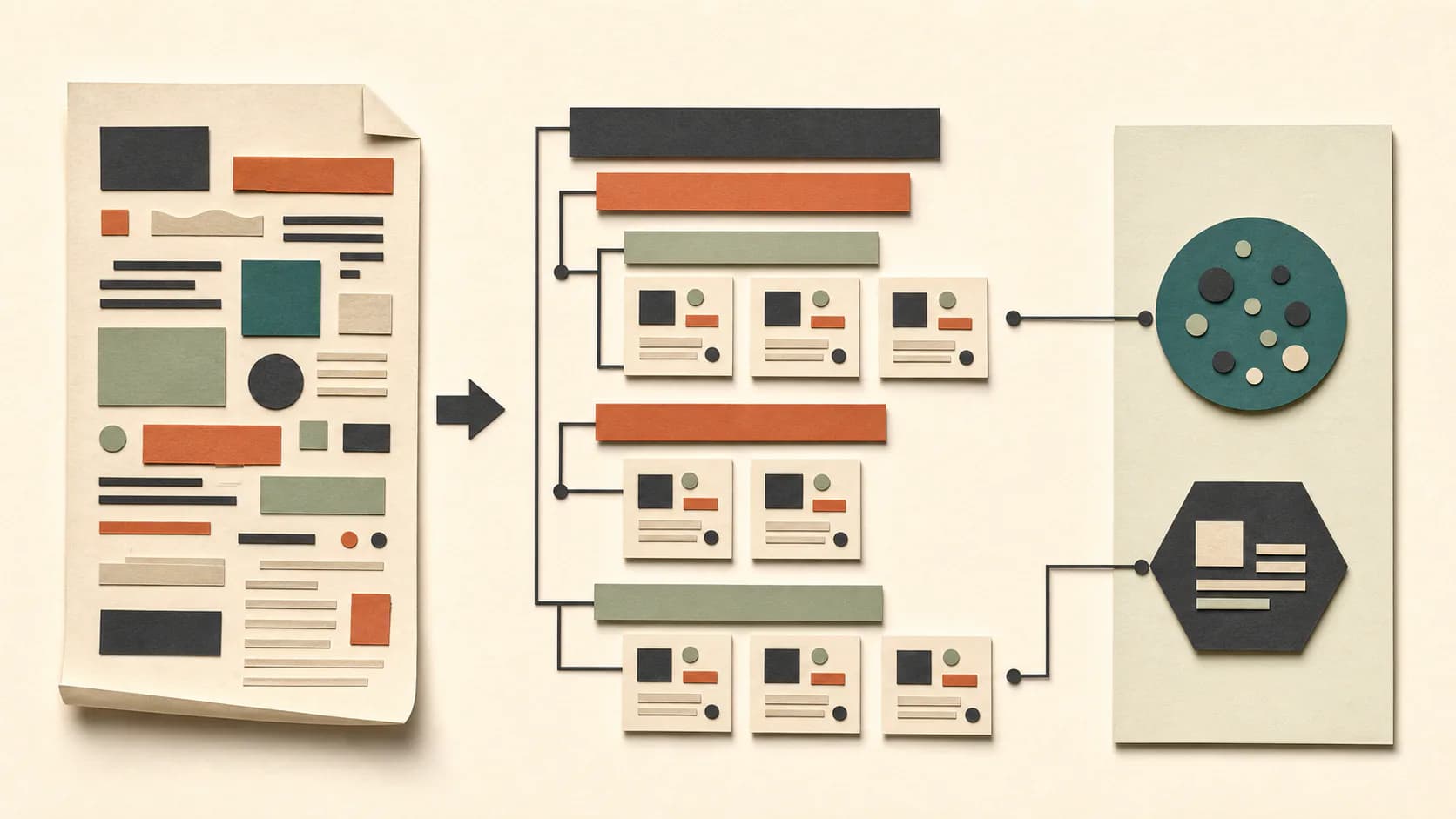
Prepare website content for RAG retrieval with clearer headings, self-contained sections, and a fixed-query test that keeps outcomes honest.

RAG quality
Evaluate RAG answers claim by claim, record supporting citations, flag visible retrieval gaps, and replay the same test set without invented scores.

Foundations
Traditional site search retrieves pages; answer-first search retrieves evidence, writes a concise response, and exposes the supporting sources.

WordPress
WordPress core searches post fields and can rank by relevance, but PDF body text and natural-language questions often require additional indexing.

Foundations
Semantic search compares meaning as well as literal wording, helping visitors reach relevant content without guessing the author’s exact terminology.

Trust
Grounded AI search retrieves evidence before generation, exposes citations, and needs an honest failure mode when the site cannot support an answer.

Pricing
AI search is not a choice between an expensive enterprise contract and a free plugin. The practical question is which parts of crawling, indexing, generation, security and maintenance your team wants to own.

Operations
Better site search can help visitors resolve routine, content-backed questions before they contact support, but the result depends on content quality, retrieval and honest escalation—not a promised deflection percentage.

Multilingual
Cross-language search can translate or normalise a visitor’s question, retrieve evidence from a site in another language and return a sourced answer, but it does not translate the full website or remove the need to test language, terminology and interface behaviour.

Operations
A managed AI search service can remove the need to build a crawler, index, model integration and search API, while the site owner still needs to choose content, install a widget, test answers and allow time for indexing.

Pricing
A buyer’s guide to the billing units and controls that determine the real monthly cost of AI site search, with a dated Achla AI pricing snapshot and a practical comparison checklist.

Founder story
A first-person founder essay about the product decisions behind Achla AI, the strengths and limits of solo ownership, and the evidence a site owner should inspect before trusting any small software vendor.

Pricing
A dated, official-source comparison of five AI/search pricing models, followed by a fair worksheet for calculating cost per useful answer and a current Achla AI plan snapshot.

Research
A practical guide to designing and evaluating citation-first AI search for research centres, repositories and technical documentation, with clear scientific-review boundaries and a pilot checklist.